Start with the right questions
A good renovation brief explains the life you want the property to support, then separates essentials from preferences. It becomes the reference for every design and budget decision.
- Walk through each room and record what fails in everyday use.
- List the elements you want to keep, including furniture and existing finishes.
- Separate essential work, desirable improvements and optional additions.
Decisions before drawings
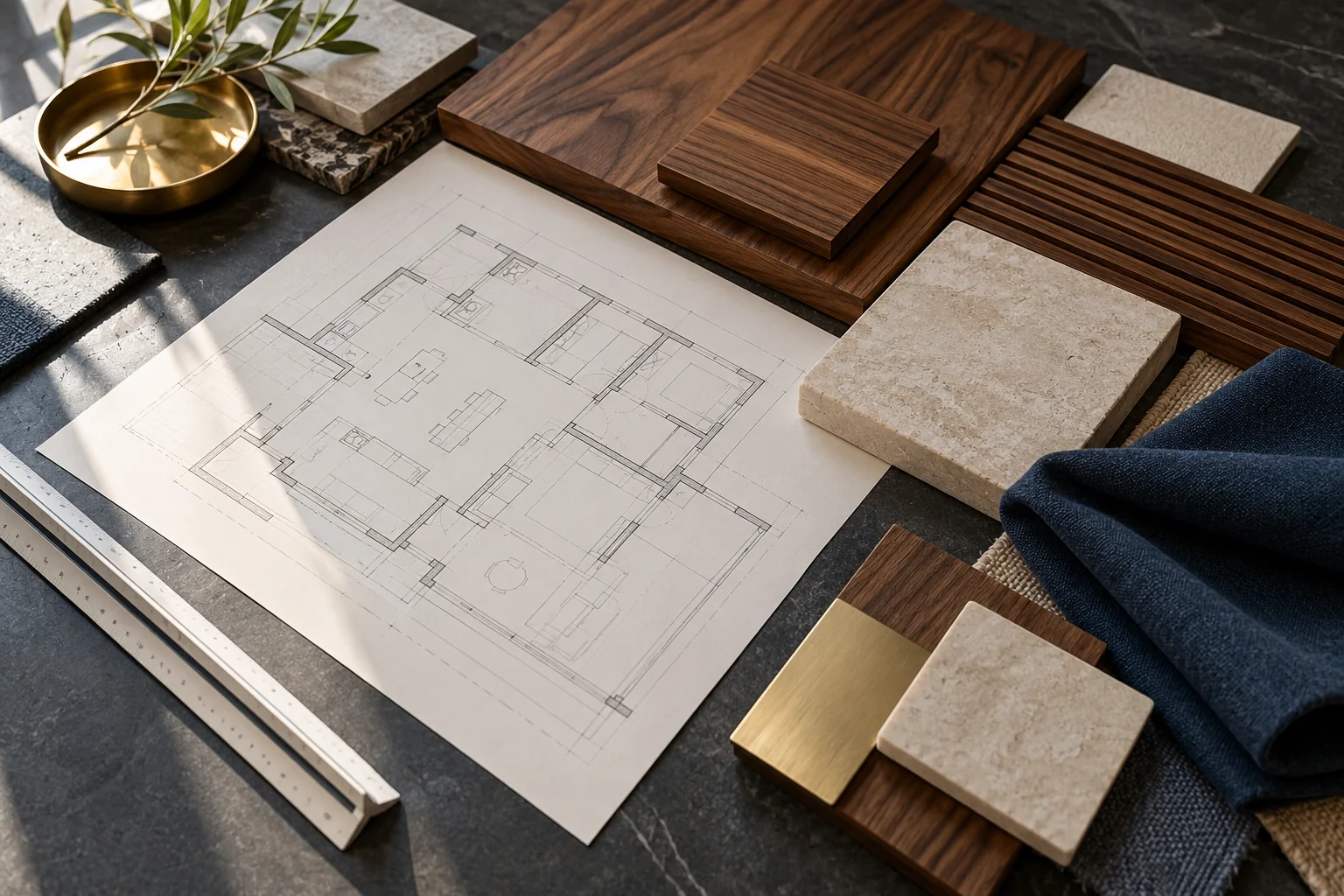
Establish who approves changes, how you want to receive updates and which dates are genuinely fixed. A family move, a tenancy ending and a preferred completion date create different programme constraints. Share photographs and existing plans, but allow for a measured survey before committing to quantities.
What to ask for
Before agreeing the next stage, request the following information in a form you can review with your project team.
- A room-by-room scope with priorities
- A budget discussion with an allowance for unresolved work
- A record of the information still needed before quotation
Bring the brief to a specialist
Share your location, current photographs, approximate dimensions and priorities. A scoped review can then identify the information needed for a useful proposal. Product choices, project dates and final prices should follow the actual property and agreed specification.
Make this useful for your project.
A review of your property and priorities can turn general guidance into a defined brief.
Explore our servicesDiscuss your project